
A Christmas Gift For You: The Controversial Story Behind the Best Christmas Album of All Time
- Matt Austin
- Dec 22, 2022
- 6 min read

With Christmas just around the corner, whether you love it or hate it, you’re sure to be well familiar with the standard playlist of Christmas music that reappears each year. Countless artists have cashed in on the festive season, seizing the opportunity to create new material all in
the name of Christmas.
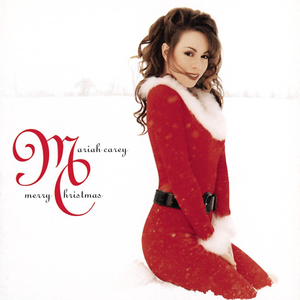
Many of the current Christmas standards derive from old favourites such as Santa Claus Is Coming To Town and White Christmas, secular songs written in the early Twentieth-Century that have now gained an almost nursery rhyme status. The majority of Christmas playlists also feature an inevitable selection of modern pop songs that have become instant classics, such as Mariah Carey’s All I Want For Christmas Is You and anything from Michael Bublé’s 2011 album, Christmas.
Such is the impact of our festive listening habits that some seasonal hits have completely overshadowed their artist’s entire careers. Such cult classics come to mind as Jona Lewie’s Stop the Cavalry and Shakin’ Stevens’ Merry Christmas Everyone. Christmas music is incredibly polarising, as many find the songs to be overplayed to the point of becoming insufferable. George Michael once even referred to Last Christmas as his least favourite song of all time.
But there is a glimmer of hope, a Christmas album, with a selection of songs that are held in such high esteem, that they have not only become festive favourites, but are played year round and have drawn adoration and praise from critics, musicians, and fans alike. Presenting: A Christmas Gift For You From Phil Spector.
A Christmas Gift For You
A Christmas Gift For You is the festive brainchild of controversial record producer, Phil Spector. Recorded throughout the summer of 1963, the compilation album features several artists signed to Spector’s label, Philles Records. Darlene Love, The Ronettes, The Crystals, and Bob B. Soxx & The Blues Jeans are the four artists that make up the roster, while a host of session musicians provide various support and backing on the tracks.

1963 had been something of a breakout year for Spector, as he found incredible success with singles, The Crystals’ Da Doo Ron Ron in April and The Ronettes’ Be My Baby in August. The former often being considered the first example of what would become known as the ‘Wall of Sound’ approach to music production. The ‘Wall of Sound’ was introduced by Spector as a means of exploiting the possibilities of the recording process. Making use of various techniques such as echoing and audio layering, this pioneering approach would give songs a dense, orchestral feel; a sense that the music was all encompassing and surrounded the listener, thus creating a ‘Wall of Sound.’ As Spector would later explain: “I was looking for a sound, a sound so strong that if the material was not the greatest, the sound would carry the record."
Following his perfection of this new approach and upon seeing the commercial success it could generate, Spector settled on a new project. Christmas music was not something he had done before and ever the businessman, he realised the potential for record sales during the holiday season. Therefore, by the summer of 1963, he was primed to create the ultimate festive album.
A Christmas Gift For You From Phil Spector was released on November 22nd 1963, on what would become a sombre date in US history as the day President John F. Kennedy was assassinated. The album, although a relative failure at the time of release, has now truly cemented its place in Christmas music history following several re-issues in the 1970s and 1980s.

As Spector puts a variety of Christmas favourites through the ‘Wall of Sound’, he instantly blends festive tradition with modern pop, resulting in an exceptional thirteen-track album. Such songs as The Ronettes’ Sleigh Ride and Darlene Love’s Christmas (Baby Please Come Home) among others, have become commonplace in Christmas films and television shows and instantly recognisable holiday standards. A Christmas Gift For You has certainly made its mark on the American cultural landscape.
Christmas Every Day
In 1973, Wizard’s Roy Wood famously sung of his wishes for it to be Christmas every day. For some, listening to Phil Spector's A Christmas Gift For You has made this a reality. Such is the brilliance of the album, that many famous names within the music world have expressed a love for it. One such example is James Allan, front man of Scottish rock band Glasvegas, who claimed he listens to the album every day of the year, even during the height of summer.
Perhaps the famous name to heap praise upon A Christmas Gift For You is the Beach Boys’ Brian Wilson. He has spoken at length about the effect the album had upon him, calling it his favourite album of all time. Having achieved success with the Beach Boys by the summer of 1963, he persuaded Spector to let him play piano on several of the songs. Those takes were however rejected, his playing simply deemed not good enough. This only further fuelled his obsession with the album, and along with The Ronettes’ Be My Baby, he played it constantly.

Wilson’s fascination with Spector’s techniques never ceased. They went on to inspire him greatly as musician, in which he would adopt a similar ‘Wall of Sound’ approach to many of the Beach Boys’ later albums. Whilst his rejection from A Christmas Gift For You may have been nothing personal, it’s safe to say he certainly proved himself worthy with the seminal 1966 album, Pet Sounds.
Controversy
Despite his success in pioneering various techniques in the recording process, Phil Spector has come under heavy criticism for his approach. Possibly the most influential record producer in the sense that it when it came to the finished record, it was billed as Spector first, with the artist being secondary.
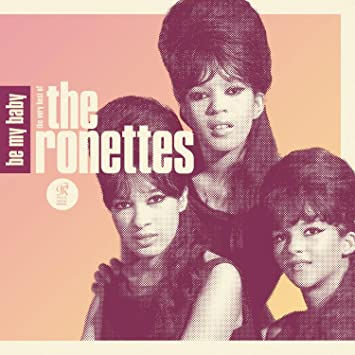
So extreme was his desire for perfection that he reportedly instructed forty-two practice takes of the Ronettes’ Be My Baby before the tape machine was even turned on to record. It is no surprise that he quickly developed a reputation as a rigorous taskmaster, and this was no exception in the sessions on A Christmas Gift For You.
Lala Brooks, lead singer of The Crystals, compared the recording process to child abuse. She recalled working from 1pm to 1am on a regular basis, whilst still a teenager, throughout the summer of 1963. Accounts such as this certainly support the view that Spector would frequently put the creation of his art before the wellbeing of his artists. It is true that long shifts with little breaks became a regular feature of his sessions, as he pushed many artists to their breaking point in search of excellence.
That being said, whilst he was no stranger to the harsh realities of the recording industry, Spector did possess a light-hearted side. This would make occasional appearances, as remembered by sound engineer Larry Levine, where Spector would perform stand-up comedy routines when things were going well. Nevertheless, his ruthless approach to the recording process has not escaped criticism and it raises questions as to just what lengths a person will go to in order to achieve success.
Legacy
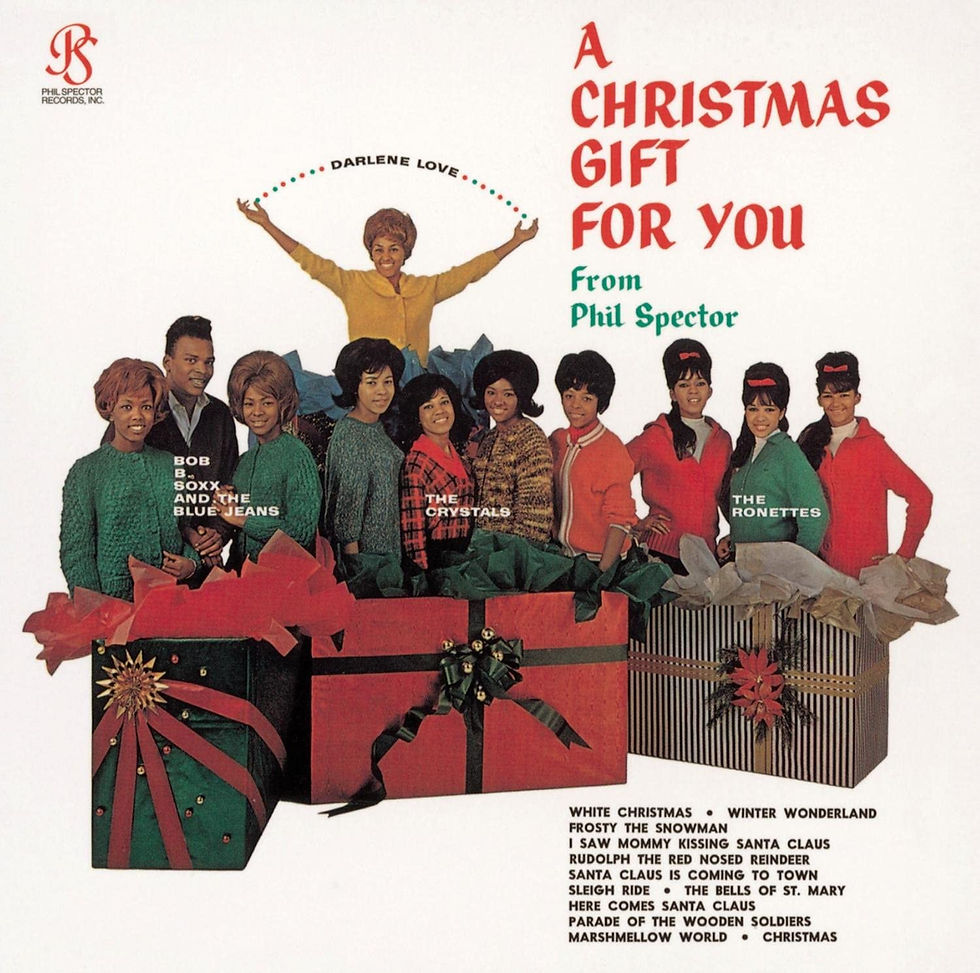
A Christmas Gift For You is one of the most important albums in the history of popular music. It is quite possibly the finest example of Phil Spector’s pioneering ‘Wall of Sound’, an approach that would pave the way for recording in modern popular music. It is for this reason that his wider contributions to the development of music must be recognised.
However, the controversy surrounding Spector and his unique methods cannot be overlooked. His musicianship may have set the standard for record producing in popular music, but his commercial, businessman-like attitude and ruthless behaviour towards his artists has only served to put a stain on his reputation. For all the praise that has been heaped upon him, we have no choice but to look upon Phil Spector with equal criticism, making him one of the most polarising figures in music.
Nevertheless, A Christmas Gift For You is pure perfection. No other set of songs has come to symbolise the holiday season quite like it. Not only does this iconic album hold a truly deserved place as a modern Christmas standard, but it ultimately transcends the very holiday it was created for. Its legacy is one of not simply a collection of beloved festive favourites, but one of the greatest music albums of all time.


Comments